Field-Proven Liftmaster Rigging Guide - Signal Yellow
13 sold in last 24 hours
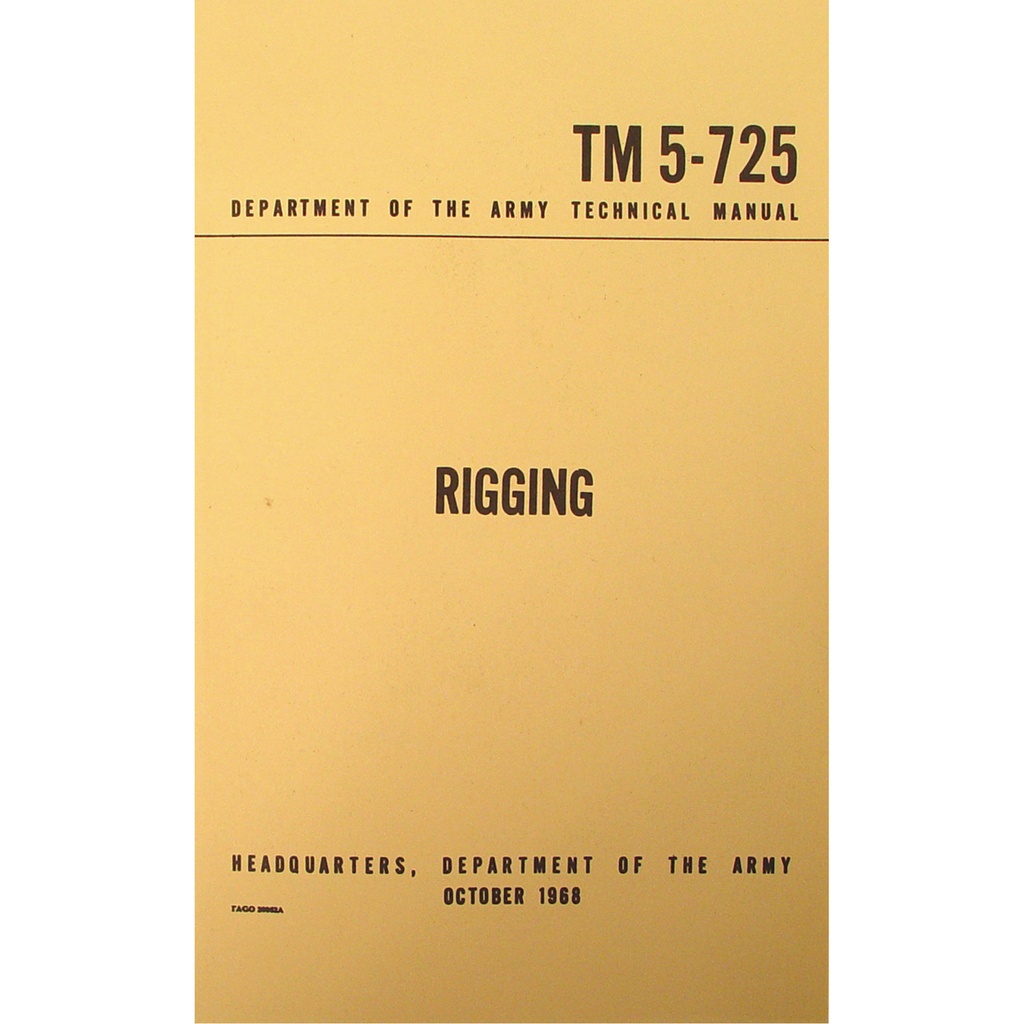
Before a clean flip, before a clean lift, there’s fundamentals. This 1968 Army rigging reprint is that kind of reference—wire rope, chains, fiber rope, knots, hitches, splices, and safe-load shortcuts laid out like a seasoned rigger talking you through the job. The signal-yellow cover pops on busy shop floors and job boxes, so it’s easy to grab when it matters. For trainers, foremen, and crews, this manual becomes the go-to check before any critical lift.
From Clean Lift to Clean Flip: Why Fundamentals Still Matter
The first time you land a clean chaplin or a smooth aerial with a balisong, it doesn’t feel like luck—it feels like fundamentals finally clicking. Rigging is the same thing. When a lift comes off the ground straight, controlled, and safe, it’s not magic; it’s knowing exactly how wire rope, chain, and knots behave under load.
The Signal Yellow Field-Proven Rigging Manual - 1968 Reprint is that fundamentals layer for lifting work—an Army-origin field manual reprinted for modern shop floors, training rooms, and field crews. No hype, no fluff, just rigging standards laid out with the same discipline a serious flipper brings to butterfly knife practice.
Serious Reference for Serious Work: A Different Kind of "Rigging Manual for Sale"
When you look for a rigging manual for sale, you’re not after coffee-table graphics—you want something your crew can trust under pressure. This 1968 Department of the Army technical manual (TM 5-725) is built exactly that way: minimal cover, signal-yellow visibility, and content that reads like a seasoned rigger checking your setup.
Inside, you get straight-ahead coverage of wire rope, chains, fiber rope, knots, hitches, splices, and quick safe-load calculations. It’s written to be used, not admired. Shop leads drop it on benches, safety trainers flag pages with notes, and field crews keep it in toolboxes as the last word when a lift doesn’t feel quite right.
Built for the Floor, Not the Bookshelf
This rigging book isn’t a fragile collector’s piece—it's a working manual. The signal-yellow softcover is meant to stand out on crowded job sites and in dim corners of a shop. The all-caps, black-on-yellow typography is made for quick scanning when you’re gloved up and in a hurry.
Clear Layout for Fast, Critical Decisions
Like a good balisong handle that tells you instantly which side is the safe handle, this manual’s layout is built for clarity. Chapters break down by gear type—wire rope, chain, fiber rope—then walk straight into knots, hitches, and splices. Safe-load tables and rules-of-thumb are placed so you can find them when a lift needs a second opinion.
Signal Yellow: Visibility Is a Safety Feature
The color isn’t cosmetic. The bright yellow echoes lockout tags and safety signage, making the manual easy to spot across a crowded bay or in the back of a rigging trailer. That visibility means it gets used—because people can actually find it when a question comes up.
Why a 1968 Army Rigging Standard Still Holds Up
Collectors in the balisong scene respect older designs because the geometry still works. This 1968 Army rigging manual reprint earns similar respect—because load paths, working angles, and safety margins haven’t changed. Gravity hasn’t updated its firmware since 1968.
The Department of the Army built TM 5-725 around conservative safety factors and real-world use. That makes this reprint perfect for:
- Training programs that want a structured, field-tested baseline for new riggers.
- Shops and plants that need a shared reference when procedures or opinions clash.
- Field crews who want one book that covers rope, chain, knots, and calculations in a single source.
Wire Rope, Chain, and Rope: The Core Systems Covered
Just as the balisong community obsesses over pivot hardware and handle material, riggers obsess over how line, chain, and rope behave under real loads. This manual meets that mindset head-on.
Wire Rope and Chain Under Real Loads
The manual breaks down wire rope construction, inspection standards, and load limits in a way that maps to actual lifts—not just theory. Chain gets the same treatment: working load limits, proper use, and when to retire a piece before it fails.
Knots, Hitches, and Splices That Don’t Slip
Here you’ll find the knots, hitches, and splices that crews actually trust—illustrated and explained with enough clarity to teach new hands and refine the habits of experienced riggers. It’s the equivalent of a trick tutorial that actually covers grip, timing, and recovery—not just the flash.
Training, Standards, and Culture on the Job
In the balisong world, the best flippers quietly set the standard. On job sites, that role belongs to the rigging standard everyone respects. This rigging manual fits that role well: official, consistent, and written to be understood at three in the morning as easily as three in the afternoon.
In practice, that means:
- Safety trainers can build courses, quizzes, and demos directly from the book’s structure.
- Supervisors can settle disagreements by pointing to one, shared reference.
- Apprentices can move from watching lifts to understanding them.
What Balisong Buyers Want to Know
Are butterfly knives legal to buy?
Legality on butterfly knives—the classic balisong—varies heavily by state and even by city. This manual doesn’t cover weapons law, so always check current local statutes. As of recent widely cited guidance (but subject to change):
- Generally more permissive states (e.g., Arizona, Texas, Utah, Idaho, Florida) usually allow balisong ownership and often open carry, with some limits on concealed carry or age.
- More restrictive states like California, New York, New Jersey, and Massachusetts often treat balisongs as switchblades or prohibited knives—ownership, carry, or sale may be restricted or banned.
- Middle-ground states may allow ownership at home but restrict public carry or length. Local city ordinances can be stricter than state law.
Laws change and enforcement differs. Before you buy a butterfly knife or any balisong for sale online, verify current state and local law from official sources or a qualified attorney.
What’s the difference between a butterfly knife trainer and a live blade?
In the balisong community, the trainer/live blade distinction matters. A butterfly knife trainer has the same handle geometry and pivot action as a live balisong but runs a blunt, often unsharpened and sometimes holed blade. It’s built so you can practice openings, aerials, and combos with far less risk of cuts.
A live blade uses sharpened steel meant for cutting tasks or, in some training contexts, edged-weapon practice. The balance can feel slightly different from a trainer depending on blade stock and grind. Most flippers recommend logging real time on a trainer before sending full-speed sessions with a sharp.
Is this butterfly knife good for learning to flip?
This product is a rigging manual, not a butterfly knife, so it won’t help you practice combos directly. But the mindset it teaches—respecting load limits, understanding forces, and building habits around safety—translates well to balisong training. In flipping, that looks like starting on a trainer, learning safe handle orientation, understanding bite risks, and progressing in a controlled way. In rigging, it looks like checking angles, hardware, and working load every single time. Different tools, same disciplined approach.
For the Rigger, the Builder, and the Instructor
In the balisong world, some people collect, some flip, some carry—and the best products respect all three. This manual works the same way for rigging culture. If you’re the one on the hook for safe lifts, it becomes your quiet backup. If you’re building a training program, it becomes your spine. If you’re the person everyone calls before a complicated pick, it’s the book that matches the standards already in your head.
Skill, craft, and quality run through every serious discipline—whether you’re dialing in a new balisong combo or planning a critical multi-point lift. This Signal Yellow Field-Proven Rigging Manual - 1968 Reprint is built for the people who take that responsibility seriously and want a reference that does the same.