
Barracks Lifesaver Combat-Ready First Aid Manual - Yellow Cover
10 sold in last 24 hours
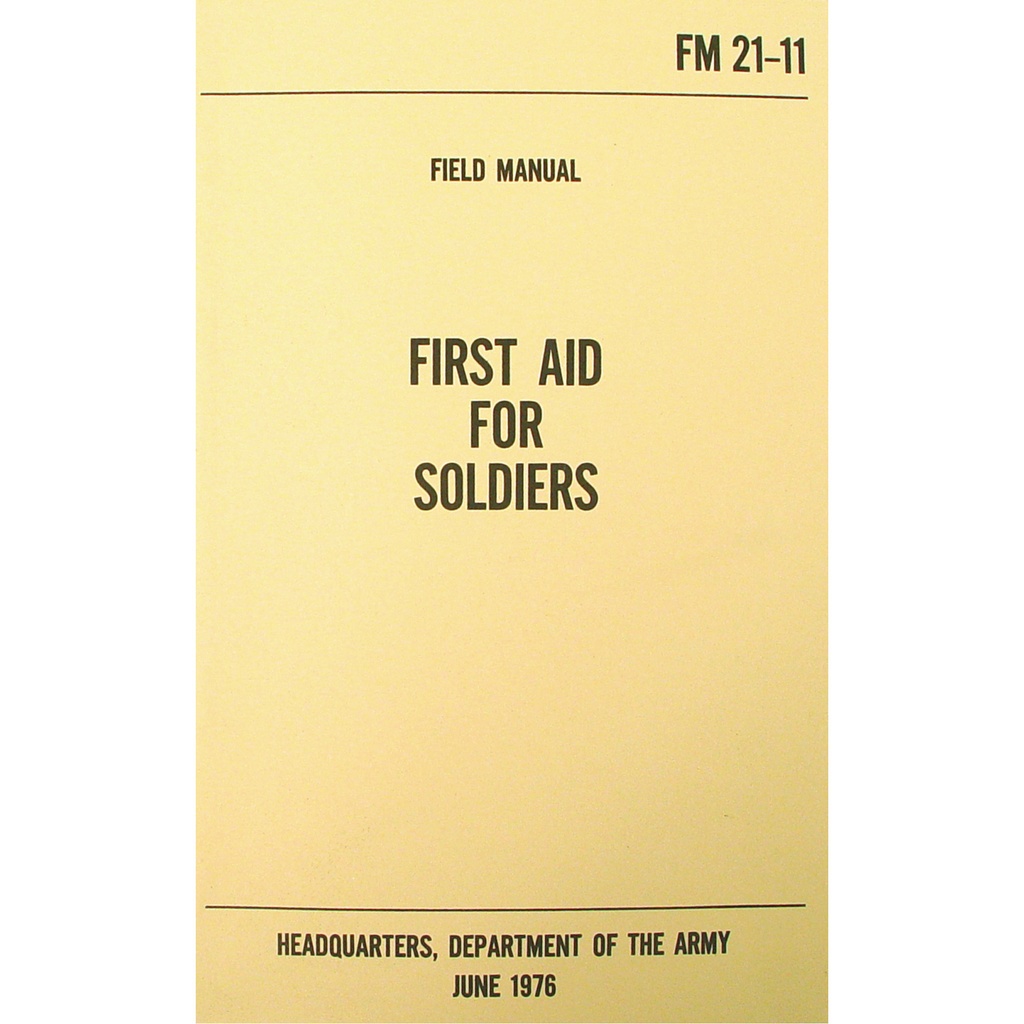
Before you buy a butterfly knife or balisong for the range, stack this Barracks Lifesaver Combat-Ready First Aid Manual in your kit. It’s an authentic reprint of the U.S. Army’s 1976 “First Aid for Soldiers” field manual, built for real bleeding control, burns, shock, and trauma — not coffee tables. The high‑visibility yellow cover stands out in a crowded pack so it’s faster to grab when seconds count, whether you’re a flipper, collector, or daily carrier who trains like it matters.
The Manual That Belongs Next to Every Butterfly Knife for Sale
Before you worry about latch style, pivots, or balance on your next balisong for sale, there’s one piece of kit that quietly separates tourists from people who actually train: a real, usable first aid manual. The Barracks Lifesaver Combat-Ready First Aid Manual - Yellow Cover is an authentic reprint of the U.S. Army’s 1976 “First Aid for Soldiers” field manual, built for barracks, range bags, and glove boxes — not display shelves.
If you spend time flipping, sparring, or carrying a live blade, this is the kind of book that lives in the same bag as your best butterfly knife. It’s the calm, methodical voice when adrenaline hits and fine motor skills vanish.
Why This Belongs in Every Balisong Kit, Not Just in the Barracks
The balisong community talks endlessly about hardware — bushings vs. bearings, channel vs. sandwich, handle material, blade play. But serious handlers also think about what happens when a missed catch or a bad transfer draws blood. This field manual is the Army’s answer to that reality: a straightforward guide to treating bleeding, shock, burns, fractures, and other trauma in the field.
Instead of glossy photos and fluff, you get clear procedures written for soldiers under stress. The same mindset that makes you drill basic openings and aerials also makes you drill basic first aid. This manual fits naturally into that routine.
Build Quality in Book Form: Why This Field Manual Works in the Real World
Collectors care about blade steel and heat treat; flippers obsess over tuning. With this manual, the “build quality” shows up in how usable it is when you’re actually under pressure.
High-Visibility Yellow Cover for Fast Target Acquisition
The solid yellow cover isn’t an aesthetic flex — it’s functional. In a dark range bag, a cluttered training space, or the back of a vehicle, this manual stands out instantly. The bold black “FIRST AID FOR SOLDIERS” text and FM 21-11 designation echo the same no-nonsense design language as real issue Army manuals, so your hand finds it even when your brain is spinning.
Softcover, Field-Ready Format
Like a well-used practice balisong, this softcover is meant to be broken in. It folds flat on a tailgate, bench, or bunk so you can keep your hands free for work. No fancy binding to fight with, no precious coffee-table gloss — just a rugged, toss-it-in-the-bag reference that takes scuffs the way a good knife takes snail trails.
From Balisong Collector to Field Minded: Why Serious Buyers Grab One
If you’re the type who researches every butterfly knife for sale before you buy, you’re already wired for this manual. You know materials and mechanisms matter; this is that same respect for reality applied to medical response.
- For collectors: An authentic-looking reprint of an official U.S. Army field manual that sits perfectly alongside military-inspired blades and surplus gear.
- For flippers: A quiet reminder that even if you train mostly with a balisong trainer, live blades and live edges are part of the discipline — and mistakes are part of the game.
- For daily carriers: If you EDC a balisong or any blade, having clear, step-by-step first aid doctrine on hand is the natural next level of responsibility.
Skill, Safety, and the Balisong: Training Beyond the Flip
Butterfly knife flipping is an art — timing, rhythm, and respect for the edge. Most of the time, that edge never bites. But anyone who’s pushed combos, aerials, or live blade practice knows the reality: eventually, you miss.
This manual doesn’t teach you a new rollout or behind-the-8; it teaches you how to keep a bad mistake from turning catastrophic. It walks through:
- Bleeding control and dressing wounds when a live blade goes too deep
- Shock recognition — what to look for after a serious injury
- Burns, fractures, and other trauma common in field and training environments
- Basic first aid procedures written for non-medics under stress
The same discipline you apply to learning clean openers, fans, and transfers can be applied to rehearsing these steps. One protects your hands. The other protects your people.
What Balisong Buyers Want to Know
Are butterfly knives legal to buy?
In the U.S., butterfly knife and balisong laws change by state and sometimes even by city. Some states treat a balisong like any folding knife; others classify it as a gravity knife or switchblade and restrict carry or sale. Before you buy a butterfly knife, always check your local and state laws directly from official sources:
- Generally more permissive states (for ownership, sometimes for carry) often include places like Texas, Arizona, Utah, and Florida, but local rules still matter.
- More restrictive states can include California, New York, New Jersey, and others where blade type, length, and carry method may be limited.
Laws change, and some cities add extra rules. This manual does not cover legal guidance, so verify current regulations with your state statutes or a qualified legal resource before purchasing or carrying any butterfly knife for sale you see online.
What’s the difference between a butterfly knife trainer and a live blade?
A balisong trainer keeps the exact same handle geometry, pivot action, and balance profile as a live balisong, but the “blade” is blunt and unsharpened. Many trainer blades still have cutouts and spine shape to mimic real weight distribution, giving flippers realistic feedback without edge risk.
A live blade balisong is a functional edged tool or weapon. It cuts, pierces, and behaves like any other sharpened knife — just with the unique butterfly mechanism. Live blades demand edge awareness, bite-handle discipline, and respect for local laws. Most serious flippers start heavy on trainers, then gradually introduce live blade work once their control and timing are dialed.
Is this butterfly knife good for learning to flip?
This product is not a butterfly knife or balisong; it’s a first aid field manual that belongs in the same world. If you’re looking for the best butterfly knife for beginners, look for:
- Friendly handle geometry and consistent balance front to back
- Smooth pivots (bushings or bearings) with minimal play
- A trainer version for building muscle memory without edge risk
Pairing your first balisong with this manual is a smart move: one tool builds your flipping skill, the other backs you up if training or carry ever goes sideways.
Why This Belongs in Every Kit: Flipper, Collector, or Carrier
The Barracks Lifesaver Combat-Ready First Aid Manual - Yellow Cover is the quiet constant in a world of endless “best balisong” debates. It doesn’t care if you prefer channel titanium handles, bushings, or washers. It doesn’t care if you flip trainers only or carry a live blade every day.
For the collector, it’s an authentic slice of U.S. Army history that pairs perfectly with military-inspired blades and surplus gear. For the flipper, it’s a nod to the reality that training hard sometimes means bleeding and that being prepared is part of taking the art seriously. For the daily carrier, it’s one more piece of grown-up EDC — right alongside your balisong, tourniquet, and light.
Whatever lane you’re in — collector, flipper, or carrier — this is the manual that quietly says you’re not just here for the look of a butterfly knife for sale. You’re here for the craft, the discipline, and the responsibility that comes with it.