Dojo Focus One-Piece Training Bokken - Black Wood
12 sold in last 24 hours
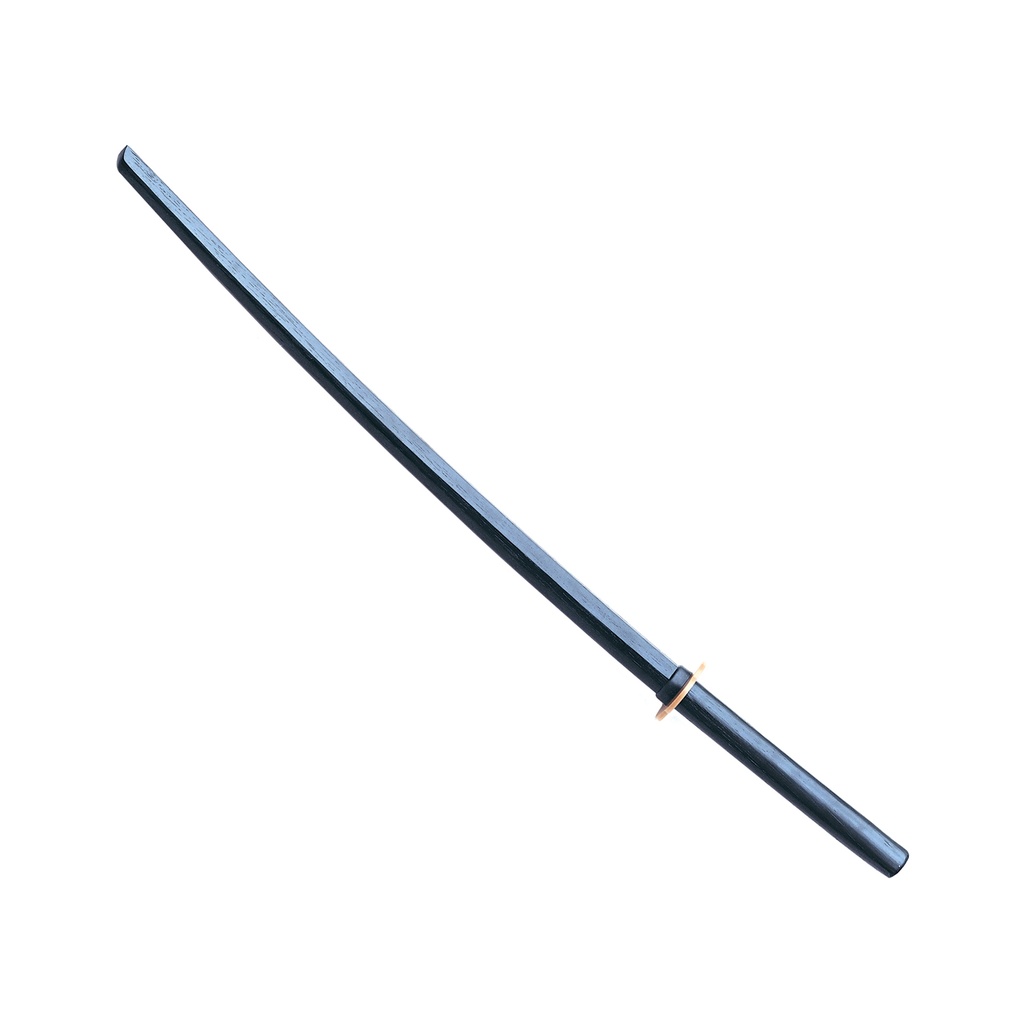
This one-piece black wood bokken is built for the quiet work that makes real sword skills. At 40 inches with a katana-style curve, it tracks naturally through kata and partner drills without stealing attention from your form. The smooth, balanced profile and simple round tsuba feel familiar to students and instructors alike, making it a reliable dojo standard for repetition, alignment, and safe impact training.
From First Stance to Thousandth Cut: A Dojo Bokken That Disappears in the Hand
The moment a good training sword leaves the rack, it shouldn’t dominate the room — it should vanish into your grip and let the art take over. This one-piece black wood bokken is built for that exact feeling: a 40-inch, katana-style curve that tracks cleanly through kata, partner drills, and flow work without demanding attention. It’s the quiet tool that lets the practitioner, not the weapon, be the focus.
Designed as a True Dojo Training Sword, Not Wall Decor
This isn’t a cosplay prop or a decorative stick shaped like a blade. The Dojo Shadow style bokken is laid out like a working practice sword for kendo, aikido, kenjutsu, and other Japanese sword arts. The profile, weight, and simple round tsuba are all there for one reason: consistent, repeatable training that feels the same on your hundredth cut as it did on your first.
One-Piece Black Wood Construction for Reliability
The entire bokken is carved from a single piece of black-finished wood, so there are no joints, seams, or weak connection points to loosen over time. That matters when you’re drilling contact work — blocks, controlled strikes, and partner kata put real stress on a training sword. One-piece construction spreads impact along the whole length instead of concentrating it at a joint.
Katana-Style Curve That Teaches Proper Line
The gentle katana-style curve isn’t cosmetic; it guides the line of your cut. In solo kata, that curve nudges your path toward the same arc an actual blade would trace. In partner practice, it helps you feel correct distancing and angles, so when students eventually transition to live steel under supervision, the mechanics are already wired in.
Why This Bokken Works for Serious Dojo Repetition
In a serious training space, you don’t want gear students fight against. You want tools that disappear into the rhythm of class. This bokken is sized, shaped, and finished to support that kind of work — from day-one basics to advanced paired forms.
40-Inch Length: The Dojo-Friendly Standard
At roughly 40 inches overall, this practice sword sits right in the sweet spot for most traditional Japanese sword forms. Long enough to respect katana reach and distancing, short enough that beginners don’t feel out of control. Instructors get a consistent length across the line; students get a familiar feel every class.
Smooth Finish That Moves Cleanly Through Gi and Gear
The smooth, matte-to-satin finish glides past sleeves, hakama, and partner grips without catching. That’s a small detail that matters in real practice: fewer snags, cleaner draws from the hip, and a more honest read on where your technique is actually at.
Built for Kata, Partner Drills, and Safe Impact Training
Wooden practice swords live hard lives: floor drops, controlled clashes, mis-timed blocks, and endless repetition. This black wood bokken is set up to handle that reality without needing to be babied.
Rounded Edges and Blunt Tip for Safer Contact
The edges are rounded and the tip is blunt, so even when drills speed up, you’ve got a safety buffer built into the design. It’s still a solid piece of wood — respect is required — but compared to metal or sharper practice profiles, this offers a dojo-appropriate balance between realism and safety.
Simple Round Tsuba for Hand Protection and Reference
The light wood round tsuba does two important jobs: it protects the lead hand from sliding forward during impact, and it gives beginners a clear visual and tactile reference for where the grip should stop. In partner exchanges, that small disk also helps maintain awareness of maai — the space between blades — in a way bare sticks don’t.
Why Instructors and Dojo Owners Gravitate to This Style
Uniform gear builds a certain calm in the training hall. When every bokken on the line looks and feels consistent, instructors can focus on posture, timing, and intent, not adjusting for mismatched tools. The deep black wood with a simple contrasting tsuba reads clean and disciplined, whether you’re outfitting a new school or refreshing a rack that sees daily use.
And because this bokken is designed for wholesale reliability, it’s a smart choice when you need multiple training swords that will put in real work without constant replacement.
What Balisong Buyers Want to Know
Are butterfly knives legal to buy?
Butterfly knife and balisong laws change fast and vary heavily by state and even city. In some states, owning and buying a butterfly knife is generally legal statewide (often with carry restrictions). In others, balisongs are treated like switchblades or gravity knives and may be restricted, especially for concealed carry or in certain municipalities.
Because of this patchwork, the most reliable move is to check two things before you buy: your specific state statutes (often under "prohibited weapons," "switchblades," or "gravity knives") and any local city or county codes. Many states allow purchase and home possession while restricting how and where you can carry. When in doubt, consult current local law or an attorney; don’t rely on hearsay or outdated forum posts.
What’s the difference between a butterfly knife trainer and a live blade?
A butterfly knife trainer keeps the exact same handle layout, weight class, and flipping mechanics as a live balisong, but the "blade" is unsharpened and usually has rounded or cutout edges. It’s built so you can drill openings, combos, and aerials without slicing your hands every time you miss. A live blade is a real cutting edge — it behaves the same in motion but punishes sloppy technique quickly. Most of the community recommends starting on a trainer to build muscle memory, then moving to live steel once you’ve got control, timing, and respect for the edge locked in.
Is this butterfly knife good for learning to flip?
For learning to flip, you want a butterfly knife with predictable balance, smooth pivots, and clear safe/bite handle orientation. Look for solid hardware (screwed or bushings, not loose mystery pins), handles that don’t flex under load, and a weight that doesn’t feel like a brick. A dedicated balisong trainer that matches your eventual live blade in length and weight is ideal for building consistent technique. As your skill grows, that same foundation makes it easier to step into higher-end balisongs and more advanced tricks without restarting the learning curve.
Where This Bokken Fits: Student, Instructor, and Collector
Everyone who picks up this black wood bokken is there for something slightly different — but the tool supports all of them.
- The student gets a familiar, forgiving training sword that lets them focus on stance, grip, and line instead of fighting the weapon.
- The instructor gets a rack-ready, one-piece design they can trust for contact drills and uniform classes.
- The collector of training tools gets a clean, minimalist piece that reflects actual dojo use, not fantasy design.
It’s not meant to be the loudest piece in the room. It’s meant to be the one that’s still in your hand when everyone else’s gear has been retired — the steady, understated bokken that quietly carries you from motions to mastery.